
Blog posts tagged "containers"

Containerization vs. Virtualization : understand the differences and benefits of each approach, as well as connections to cloud computing.

In a previous post, I explained how we made our Ubuntu image 15 times smaller by chiselling a specific slice of Ubuntu for .NET developers. In this blog, I will provide step-by-step instructions on customising your chiselled Ubuntu base images for any use case. Chiselled Ubuntu containers combine Distroless and Ubuntu to create smaller, m

Last August, we announced 6 MB-size Ubuntu base images designed for self-contained .NET applications — we called them “chiselled Ubuntu”. How did we make our Ubuntu base images 15 times smaller? And how can you create your own chiselled Ubuntu images? In this blog, I explain the idea behind Distroless container images, which inspired us
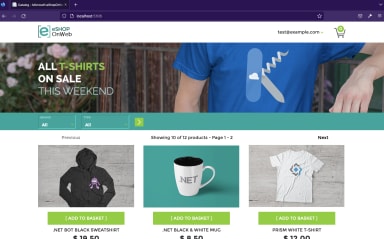
Looking for a way to improve the performance and reliability of your online shopping and payment systems during the holiday season? Look no further than chiselled Ubuntu images! In this blog series, I’ve already discussed the benefits of using these lightweight and efficient images for your containerised applications. In this second part,

As we enter the holiday season, online shopping and payment systems are gearing up for higher traffic and workloads. Ensuring that these applications can handle the increased demand without slowing down or crashing is critical for providing a smooth and efficient experience for customers. One way to improve the performance and reliability
AWS re:Invent is a learning conference hosted by Amazon Web Services for the global cloud computing community. The in-person event features keynote announcements, training and certification opportunities, access to technical sessions, and so much more. Canonical is proud to sponsor AWS re:Invent this year and have presence on the Expo. Jo
Canonical is excited to partner with AWS and feature on this week’s episode of AWS on Air. Watch us live on September 16, at 12pm PT. As the publisher of the Linux distribution Ubuntu, Canonical support, secure, and manage Ubuntu infrastructure and devices for thousands of businesses. Ubuntu runs from cloud to edge. It is
.NET developers are now able to install the ASP.NET and .NET SDK and runtimes from Ubuntu 22.04 LTS with a single “apt install” command Canonical releases new, ultra-small OCI-compliant appliance images, without a shell or package manager, for both the .NET 6 LTS and ASP.NET runtimes Microsoft and Canonical are collaborating to secure the

The heart of open source will be beating in Austin and streamed online for the Open Source Summit North America, taking place on 20-25 June 2022. Open Source Summit is the premier event for open source developers, technologists, and community leaders. It’s a great venue to collaborate, share information, solve problems, and take open sour

Canonical’s UA and Pro customers can now fully benefit from their subscriptions directly in containerised environments and pipelines. The new UA client release (27.7+) makes it easier to enable FIPS mode in Ubuntu containers. It also automatically signs up CI/CD builds for 10-year security updates to never worry about production container

This blog explains what are Linux containers, how they differ from application containers, and when should you use them.

Austin, Texas – 3rd of March 2022 – OpenStack is dead! A masked man in a black cloak with “public clouds”, “containers” and ”serverless” inscriptions shot OpenStack straight in the heart. OpenStack fell to the ground and with the last moment of strength exclaimed: “Long live open infrastructure”! That could be a headline of a

Build and run Ubuntu containers that comply with the US and Canada government FIPS140-2 data protection standard.

The global health crisis has accelerated the digital transformation within the financial services industry. A McKinsey report highlights that “In a competitive environment of rising cost pressures, where rapid action and response is imperative, financial institutions must modernise their technology function to support expanded digitisatio

Let’s remember the time in the 2000s when companies introduced their cloud computing offerings at a large scale. New services were put into the popular IaaS, PaaS, and SaaS categories. New kinds of storage and messaging technologies were promoted. Also, novel approaches were discussed, such as designing applications for horizontal scalabi
2021 has been an interesting year for the Kubernetes and cloud native ecosystem. Due to the pandemic, cloud adoption saw a big spike in adoption. As the year wraps up soon, we wanted to reflect on the top findings from the Kubernetes and cloud native operations report and we have a cool infographic for you.