
Blog posts tagged "Telco"
Telco edge clouds are among the most popular and promising technologies with great potential to deliver performance improvements. An edge cloud is an infrastructure to run software located close to devices and end-users. This type of local deployment brings several performance benefits, one of which is reduced latency. Edge computing ser
Telco cloud implementation with Canonical and HPE Service providers need cloud infrastructure everywhere, from modern 5G and 6G network functions running in the network core to sophisticated AI/ML jobs running on the edge. Given the sensitivity of those workloads to any interruptions, outages or performance degradations, the cloud infrast

From pure voice to data, and now with the connectivity provided to devices and machines, telco systems make it possible to deliver digital services to society. Thanks to telecom systems, we can keep in touch with each other and reach the information sources we need at any time and anywhere. As we have become increasingly

5세대 무선 기술인 5G는 우리가 연결하고 소통하는 방식을 변화하고 있습니다. 4G보다 최대 100배 빠른 데이터 전송 속도를 제공하는 5G 기술은 더 빠른 다운로드 및 업로드 시간, 낮은 latency 그리고 더 많은 기기의 연결이 가능합니다. 추가로 5G 네트워크는 고대역 및 저대역을 포함하는 더 넓은 주파수 범위를 지원하여 더 넓은 커버리지와 더 우수한 안정성을 보장합니다. 5G는 모바일
![Out with the Old, In with the New [Telco Edition]: A Canonical and Spectro Cloud Collaboration at MWC 2023](https://res.cloudinary.com/canonical/image/fetch/f_auto,q_auto,fl_sanitize,w_384/https%3A%2F%2Fubuntu.com%2Fwp-content%2Fuploads%2Fd9d6%2FCanonical-Spectro-Cloud3.png)
Meet Canonical at MWC 2023 in Barcelona
Join Canonical and Ubuntu at Mobile World Congress Barcelona 2023 to discuss open source innovation in telecommunications.

As a strategic partner of NVIDIA, Canonical is proud to be one of the leading sponsors of the NVIDIA GTC again! Join us virtually at NVIDIA GTC on September 19-22 to explore the latest technology and business trends and learn from experts on how AI and the evolution of the 3D Internet are profoundly impacting

A couple of months ago, at MWC 22 in Barcelona, Canonical had announced its partnership with Vodafone to test a new technology that uses Anbox Cloud and the power of smart mobile networks. Today, we’re excited to see that Mobile magazine is talking about the Cloud-Based Smartphone concept in an eight-page article “Will 5G Give
March 31, London – Canonical today announced the general availability of OpenStack Yoga on Ubuntu 22.04 Long Term Support (LTS) Beta and Ubuntu 20.04 LTS. This new version of OpenStack sets a foundation for next-generation, highly performant infrastructure as needed by telco NFV, media streaming, traffic analysis and HPC services, using S

The telco podcast announcement
Visit us from 9AM to 6PM (CET) in our Executive Room (Hall 2.1) MWC Barcelona is the world’s most influential exhibition for the connectivity industry. Since open source software is a key component of innovation and technology improvements in that space we will be there as well. Ubuntu is the most popular linux operating system
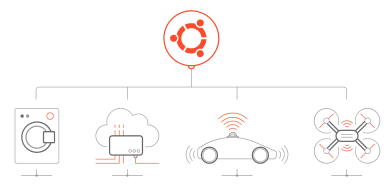
We at Canonical, the company behind Ubuntu, are pleased to join hands with the Magma Foundation. Magma connects the world to a faster network by providing operators an open, flexible, and extendable mobile core network solution. Its simplicity and low-cost structure empower innovators to build mobile networks that were never imagined befo
Register for free What is Operator Day? Operators simplify everyday application management on Kubernetes. Learn how to use them, how to create them in Python, and how to evolve from configuration management to application management. We’re working to create a community-driven collection of operators for everything that’s integrated and te
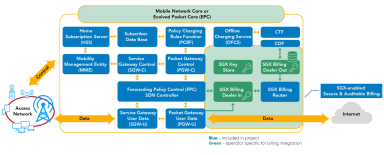
An analysis of vEPCs in collaboration with GS Lab — a contributor to open-source projects in the telecom domain Open-source projects gravitate to some common problems in the industry. The use of open-source projects accelerates product/solution development and cuts down the costs. Open-source projects for embedded systems to the cloud ar

Want to stay up to date with open source in telecom, cloud native teleco, initiatives like OpenRAN ? Search no more, we’ve got you covered.
Download whitepaper Network Function Virtualization (NFV) and Cloud native network functions continue to draw immense attention from the telecom sector. From the beginning, virtualisation is trying to fulfill the promises of reducing CapEx and OpEx by decoupling Network Functions from the underlying infrastructure and ensuring flexibility