

Canonical Data Platform: that was 2021 It’s that time of the year again: many folks are panic buying cans of windscreen de-icer spray and thermal underwear, bringing pine trees into the front room and preparing to enjoy an extended break with the family. So we thought to ourselves, what better time than now to take

Since I wrote Launch Ubuntu Desktop on Google Cloud last week, I kept thinking about putting Ubuntu Desktop into containers. A container is an independent unit of software packages and their dependencies so that the application on the container can run reliably in different computing environments. Docker, an open-source project launched i

The development of graphical applications intended for use on IoT devices isn’t trivial. The complexity goes beyond the usual challenges that exist in the classic desktop and server domains. One, the IoT world is much less mature. Two, developers need to take into consideration various edge cases that do not apply to hands-on devices like

Christmas is coming, but you don’t have a present on hand for your (grand)parents (Mom, Dad, if you’re reading this – I promise this post isn’t drawn from real life!). Looking for a solution? If your loved ones happened to live through the era of monochrome photography, keep reading. You can work some magic with

How can a managed IT service help you build a business-centric IT that cuts down operational costs, improve efficiency and increase innovation.

The Web and design team at Canonical run two-week iterations building and maintaining all of the Canonical websites and product web interfaces. Here are some of the highlights of our completed work from this iteration. Meet the team Hello! My name is Cristina, I’ve been a programme manager at Canonical for almost three years. I

This is the second part of the two-part blog series covering embedded Linux systems and the challenges brought about by the proliferation of Internet of Things (IoT) devices. In Part I, we surveyed the embedded ecosystem and the role Linux plays within that space. This blog takes you on the next step in the journey,
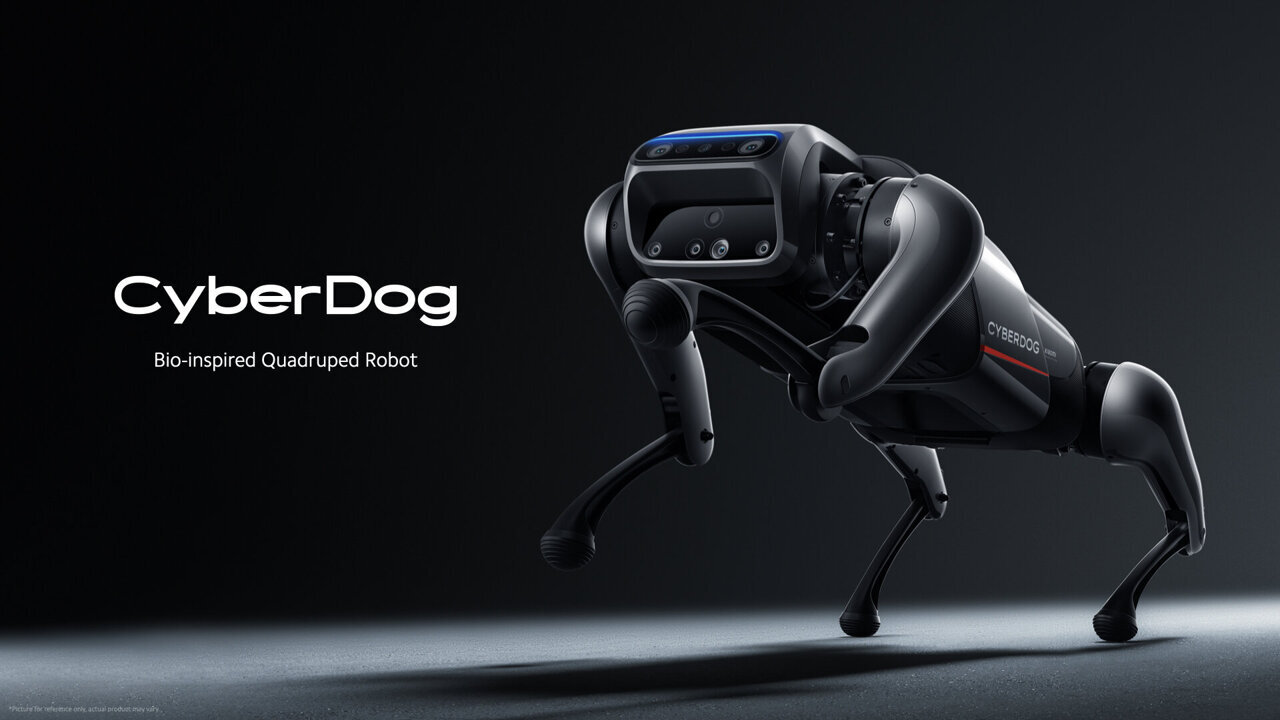
Late this year, Chinese tech giant Xiaomi unveiled CyberDog: a quadrupedal, experimental, open-source robot that the firm claims will improve the robot development environment and promote the development of the robot industry. Today, Canonical dives into the specifications of this four legged robot and discover how Ubuntu is helping the d

Newsletter signup

Providing an overview of Open vSwitch in the context of open data centre networking, its components and benefits, main implementations and the drivers behind it.
29 November 2021: Canonical, Publisher of Ubuntu, announced today that it has achieved the AWS Graviton Ready designation, part of the Amazon Web Services, Inc. (AWS) Service Ready Program. This designation recognizes that Canonical + Ubuntu Server and Anbox Cloud Appliance has demonstrated successful integration with AWS Graviton Service

From education through to enterprise, Ubuntu delivers a productive and secure developer desktop experience.

This tutorial shows you how to set up a Ubuntu Desktop on Google Cloud. If you need a graphic interface to your virtual desktop on the cloud, this tutorial will teach you how to set up a desktop environment just like what you can get on your own computer. We need four steps to set

Throughout the ages, humans have always used simpler tools and materials to create more complex ones. Wood and stone for smelting bronze and iron; iron to create steel; vacuum tubes to create logical gates; logical gates to create advanced arithmetic engines, and so on. Modern software is no different. With Snapcraft in particular, the sn
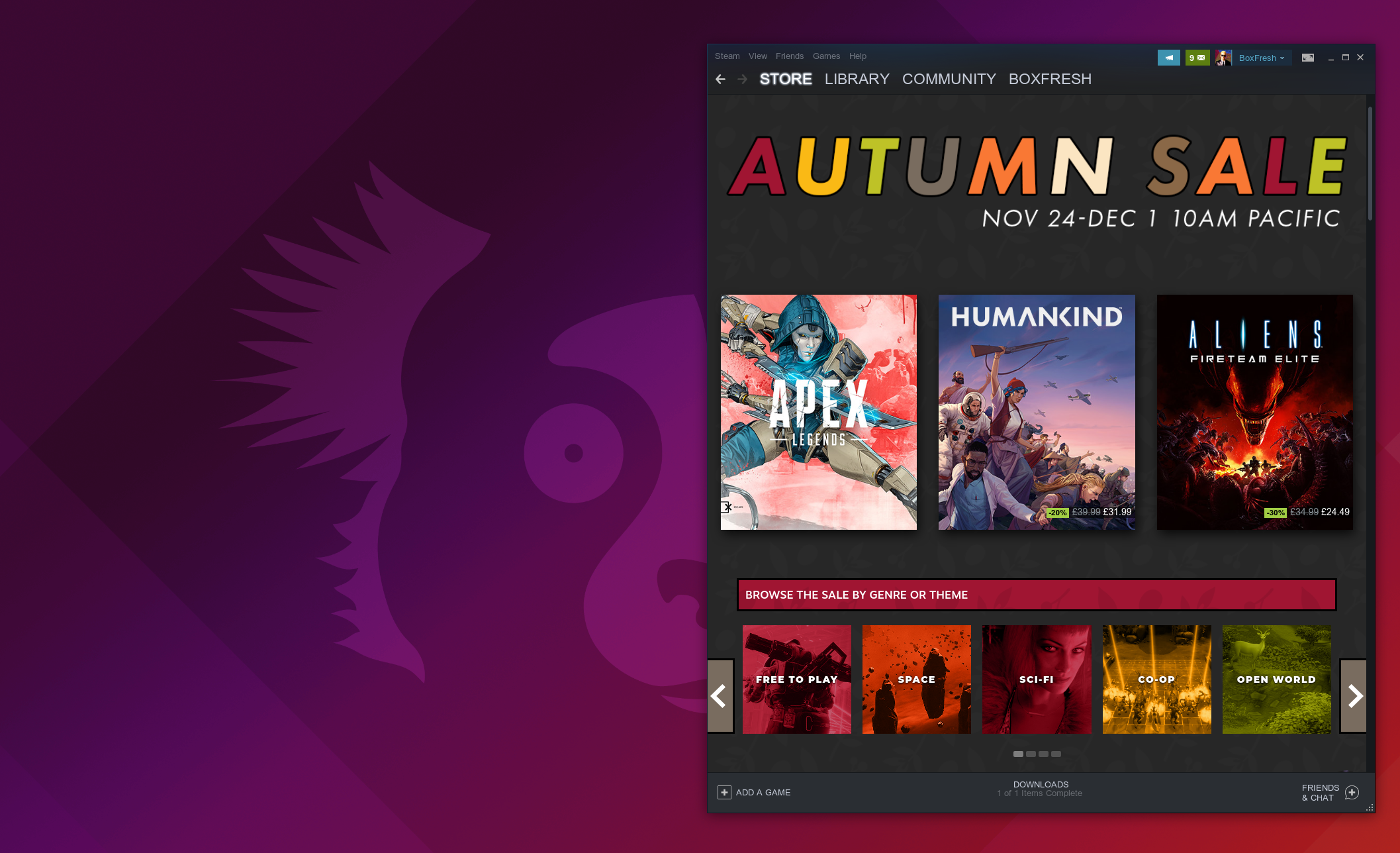
In the first of a mini-series of blogs, we break down some of the easiest ways to get started with Linux gaming on Ubuntu, starting with Steam and Proton.

Today, Kubernetes 1.23 release candidate was made available upstream for testing and experimentation. General availability is planned for December 7th, so now is the time to report back any issues or bugs. Developers, DevOps and open source software enthusiasts can try out the latest features using MicroK8s. MicroK8s is a lightweight, CNC

“Hello everybody out there using minix – I’m doing a (free) operating system (just a hobby, won’t be big and professional like gnu) for 386(486) AT clones. It is NOT portable (uses 386 task switching etc), and it probably never will support anything other than AT-harddisks, as that’s all I have :-(.” [1] The
Ubuntu tech blog
Deep dives for developers
Visit the Ubuntu Tech Blog for deep dives into product features, step-by-step tutorials, and the latest updates from Canonical's engineering teams.